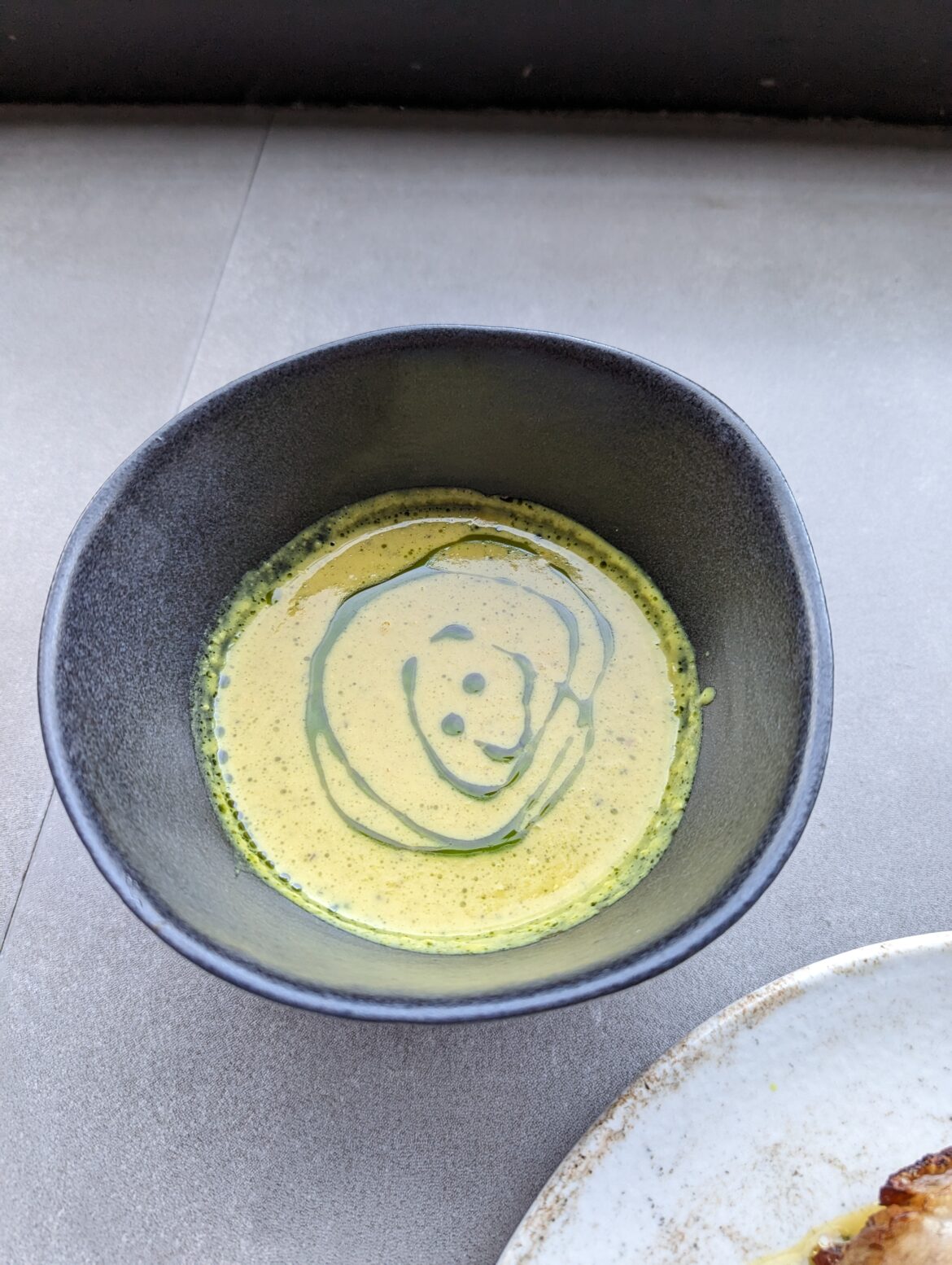
It is cold and wet and horrible – you need nourishment. This Moroccan chickpea soup recipe is very nourishing and wonderfully filling. Now Jade Goody thought that chickpeas came from chickens but they don’t.
Moroccan Chickpea Soup Recipe
Ingredients
1 Onion diced
1 tsp Olive Oil
Clove garlic chopped
2 celery sticks diced
2 tsp cumin
1 can of chickpeas
1 can of tomatoes
1 tsp harissa
1 tsp turmeric
1 tsp tomato puree
Optional
100g frozen broad beans
Lemon juice
Directions
Heat oil with cumin and turmeric, add onion and celery and sweat for 10 mins, add all the other ingredients except broad beans and simmer for 8 mins. Add broad beans and lemon juice (optional) serve with chopped coriander
Health benefits
Chickpeas like most of the other pulses, are fantastic for you. They lower your heart attack risk (lots of magnesium and folate), provide lots of fibre which is very good for avoiding Irritable bowl syndrome, lowers cholesterol which, when combined with a bit of garlic and turmeric (which this soup does) can lower your cholesterol level by 9%. Help your body balance its blood sugar so you don’t get highs and lows and instead have sustained energy release. Iron which loads of women are short off which can make you feel weak and lethargic and finally loads of protein which makes you feel full up without the saturated fat of meat or dairy.
Canned tomatoes have many health benefits. The magic word is Lycopene. This has been shown to help protect not only against prostate, but breast, pancreatic and intestinal cancers, especially when consumed with fat-rich foods, such as avocado, olive oil or nuts. (This is because carotenoids are fat-soluble, meaning they are absorbed into the body along with fats.) So you could have a few nuts with this soup if you want to increase your absorption of lycopene.
Did You know…
The word restaurant was first used in France in the 16th century, to describe a highly concentrated, inexpensive soup, sold by street vendors called restaurer, that was advertised as an antidote to physical exhaustion. In 1765, a Parisian entrepreneur opened a shop specialising in restaurers. This prompted the use of the modern word restaurant to describe the shops.